
ENTREGA NA IRLANDA E NA UE COM DHL
ENTREGA GRATUITA PARA PCs ENCOMENDAS HOJE
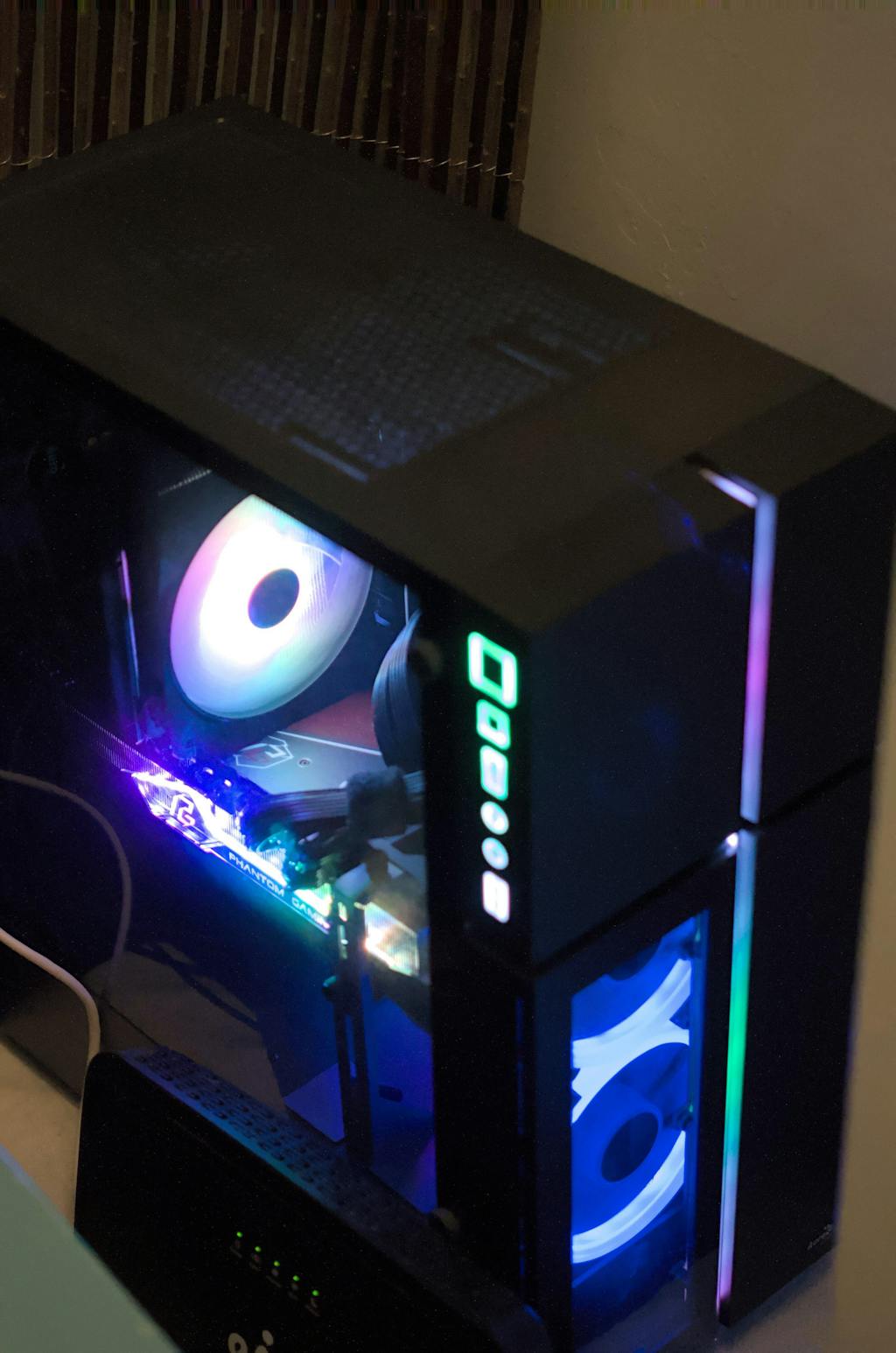
***BEST VALUE INTEL & AMD RYZEN CUSTOM GAMING PCs***

In the annals of gaming history, the 1980s marked a revolutionary era, particularly with the fierce rivalry between the Atari ST and the Commodore Amiga. These platforms not only captivated gamers with their advanced technology but also offered unique features that set them apart from the IBM PC, setting the stage for a fascinating exploration of their legacy.

In the golden age of personal computing, the Atari ST and Commodore Amiga emerged as fierce rivals, each boasting impressive hardware capabilities that captivated the gaming community. As the world witnessed the rapid evolution of computer technology, the question of whether these two systems surpassed the IBM PC in terms of raw power became a topic of intense debate.
The Atari ST and Commodore Amiga were undoubtedly powerful machines, but their capabilities in comparison to the IBM PC were complex and multifaceted.
When it came to gaming, the hardware specifications of the Atari ST and Commodore Amiga did seem to give them an edge over the IBM PC. The advanced graphics and sound capabilities of these systems made them more appealing to game developers and enthusiasts alike.
The Atari ST and Commodore Amiga were designed with gaming in mind, and their hardware specifications reflected this focus.
Beyond their raw hardware power, the Atari ST and Commodore Amiga offered a range of unique features that set them apart from the IBM PC, further enhancing the gaming experience for their users.
The Atari ST and Commodore Amiga introduced innovative technologies and capabilities that captivated gamers.
The Atari ST and Commodore Amiga were truly groundbreaking systems that pushed the boundaries of personal computing and gaming. While the IBM PC may have had a broader market and more widespread adoption, the ST and Amiga offered unique hardware and software features that made them the preferred choice for many enthusiasts and game developers. The lasting impact of these two titans on the gaming industry is undeniable, as they continue to be celebrated and emulated by retro-computing enthusiasts to this day.

In the vibrant world of retro gaming, the competition between Atari, Amiga, and IBM PCs has long been a topic of debate. While the IBM PC ultimately emerged as the dominant computing platform, the Atari and Amiga systems enjoyed a significant following among gamers in the 1980s and 1990s.
The Allure of Atari and Amiga
The Rise of the IBM PC
The Lasting Impact
The retro gaming landscape was shaped by the interplay between Atari, Amiga, and IBM PC, each offering its own distinct advantages and appeal. While the IBM PC ultimately emerged as the market leader, the enduring popularity of Atari and Amiga serves as a testament to the enduring allure of innovative and visually stunning gaming experiences.
The Atari ST and Commodore Amiga were two of the most popular and influential home computer platforms during the 1980s and early 1990s, and their gaming libraries were filled with a diverse array of iconic titles that showcased the capabilities of these systems.
Atari ST Classics
Amiga Masterpieces
Cross-Platform Favorites
The Atari ST and Commodore Amiga were home to a wealth of iconic and influential games that showcased the technical prowess of these systems and captivated players with their innovative gameplay and visually stunning presentation. From the cinematic platformers to the groundbreaking strategy games, the gaming libraries of the Atari ST and Amiga continue to be celebrated by retro gaming enthusiasts to this day.
The gaming communities that emerged around the Atari ST, Commodore Amiga, and IBM PC platforms during the 1980s and 1990s were each distinct in their own way, reflecting the unique characteristics and user bases of these respective systems.
Atari ST Community
Amiga Community
IBM PC Community
Cross-Platform Interactions
The gaming communities that emerged around the Atari ST, Commodore Amiga, and IBM PC platforms each had their own unique characteristics, reflecting the distinct user bases and technical capabilities of these systems. While the communities were often fiercely loyal to their respective platforms, the shared passion for gaming and the desire to push the boundaries of what was possible in the digital realm helped to create a vibrant and interconnected retro gaming landscape.

The 1980s was a transformative era for the gaming industry, with a wide range of console and computer options available to consumers. The cost of these gaming platforms was a significant factor in their adoption and popularity.
As the decade progressed, the prices of gaming hardware fluctuated, offering both opportunities and challenges for gamers.
The cost of gaming hardware in the 80s was a balancing act, with console prices remaining relatively accessible while high-end PCs catered to a more affluent market. This dynamic shaped the gaming landscape and influenced the choices available to consumers.
As the 80s progressed, the rise of personal computers challenged the dominance of traditional gaming consoles. The Atari ST and Amiga emerged as compelling alternatives, but the potential of custom-built gaming PCs also began to be explored.
Comparing the capabilities and costs of these platforms reveals the tradeoffs that gamers faced in the 80s.
The Atari ST and Amiga provided a compelling middle ground, offering advanced gaming capabilities at a more accessible price point than custom-built PCs. This balance of performance and affordability made them a viable option for gamers in the 80s, though the potential of high-end PCs remained tantalizing for those with deeper pockets.
The choice of operating system was a crucial factor in the gaming experience during the 80s. Consoles, computers, and custom-built PCs each had their own unique operating systems, each with its own strengths and limitations.
The impact of the operating system on gaming can be seen in several key areas:
Consoles like the Atari 2600 and Nintendo Entertainment System had dedicated, proprietary operating systems that were optimized for gaming, providing a seamless and often more consistent experience.
Computers like the Commodore 64 and Apple II, while offering more versatility, had operating systems that were not primarily focused on gaming, leading to variable performance and compatibility issues.
Custom-built PCs running operating systems like MS-DOS or early versions of Windows could offer greater flexibility and customization, but also faced challenges with game compatibility and performance optimization.
The choice of operating system also influenced the availability and diversity of games, as developers had to tailor their titles to the specific platform and its capabilities.
The operating system played a crucial role in shaping the gaming experience during the 80s. Consoles with dedicated gaming-focused operating systems often provided a more polished and consistent experience, while computer platforms offered more versatility but faced compatibility and performance challenges. Understanding these differences helps contextualize the gaming landscape of the era and the tradeoffs faced by gamers.
Yes, the Atari ST and Commodore Amiga, featuring Motorola 68000 processors, outperformed the IBM PC's older Intel processors in terms of raw power, especially for graphics and sound capabilities.
Absolutely. Both platforms were equipped with superior graphics and sound capabilities compared to the IBM PC, making them more appealing for game developers and players during the late 80s.
Unique features included MIDI support on the Atari ST for music integration and multitasking capabilities on the Amiga, enabling seamless operation and running multiple programs, enhancing the gaming experience.
While initially popular, Atari and Amiga's gaming dominance waned with the IBM PC's rise, which offered a broader game library and support due to its versatility and market penetration.
Iconic games like 'Out of This World' and 'Lemmings' for Atari ST, as well as 'Turrican' and 'Dune II' for Amiga, showcased the capabilities of these systems and attracted a loyal gaming community.
The Atari ST community was dedicated and technically inclined, while the Amiga community was more diverse and creative, contrasting with the IBM PC community which was broader and more commercial.
Consoles were relatively affordable, ranging from $150 to $300, while personal computers like the Atari ST and Amiga cost between $800 and $1,500, sometimes making high-end PCs a significant investment.
Yes, custom-built PCs offered more powerful hardware but were often costly, making the Atari ST and Amiga a more accessible option for gamers seeking advanced gaming capabilities.
Operating systems significantly influenced gaming experiences; consoles provided optimized gaming environments, while PCs often faced variable performance and compatibility challenges.
While the IBM PC may have become the dominant player in the personal computing market, the Atari ST and Commodore Amiga carved their own niches through innovative hardware and unique gaming experiences. Their legacies continue to inspire and resonate within the gaming community, reminding us of a time when creativity and technical prowess combined to push the boundaries of what gaming could be.
{"one"=>"Selecione 2 ou 3 itens para comparar", "other"=>"{{ count }} de 3 itens selecionados"}
Selecione o primeiro item para comparar
Selecione o segundo item para comparar
Selecione o terceiro item para comparar